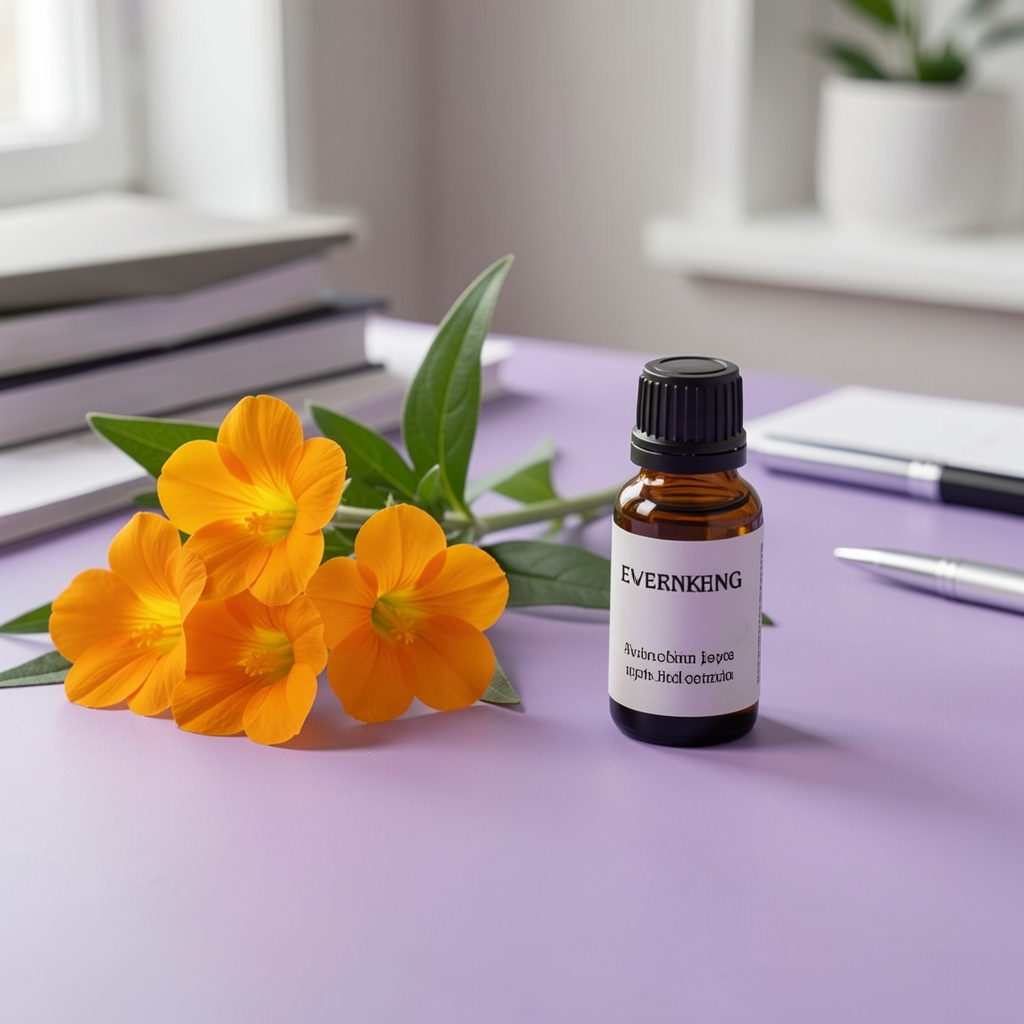
Evening primrose oil is a food supplement often discussed in relation to women’s wellness. Interest in it has produced a mixed research landscape, with different preparations, amounts and outcomes considered across studies. This review explains how to read those differences and why a label is only one part of an informed decision.
What the name refers to
The oil is made from evening primrose seeds and contains fatty acids. Products can differ in composition, format and suggested use. Comparing labels carefully is more useful than treating a category name as a guarantee of consistency.
How to read research
Look for the number of participants, the comparison group, duration and outcome measure. A small study can be interesting without settling a question. Results also need to be considered alongside the authors’ stated limitations.
Questions about routine
- What is the purpose of considering this supplement?
- What other products are already part of the routine?
- Is the label clear about ingredients and amount?
- Would a pharmacist or GP offer useful personal context?
Key takeaways
- Products in the same category may differ.
- Research methods shape how findings should be read.
- A supplement is not a substitute for a varied diet.
Careful reading is the central habit: check the source, the label and the limits of the evidence.